The Role of Government Policies in Singapore's Real Estate Growth
How land planning, public housing, stamp duties and loan limits have shaped Singapore property, and what home buyers can learn from the policy mix.
Updated
 3 min read
 Few property markets are shaped as deliberately as Singapore's. On a small island with limited land, the state plans decades ahead, builds much of the housing stock and adjusts the rules of buying and borrowing when conditions shift. Anyone weighing a purchase there, whether as a first-time owner or a household upgrading, benefits from understanding the main levers and why they exist.
Planning as the starting point
The Urban Redevelopment Authority draws up long-range land use plans that set out where homes, offices, industry, parks and transport corridors should go. Because land is scarce, those plans try to balance competing needs over many years rather than reacting to short-term demand. New towns, waterfront districts and business hubs all trace back to this framework, which gives buyers a rare degree of visibility into how an area is expected to develop.
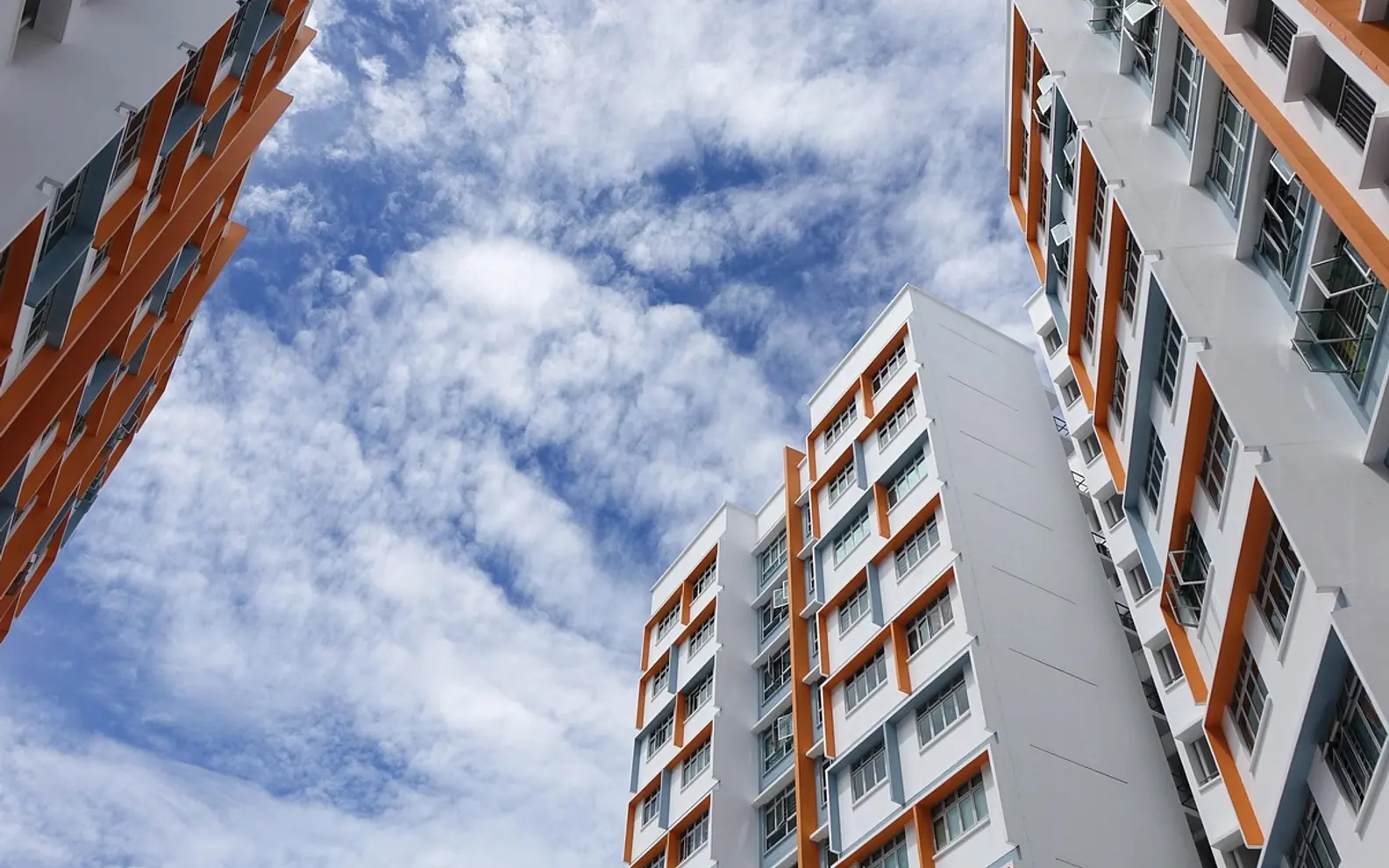
Alongside it, the Housing and Development Board builds and manages public flats that are home to a large share of residents. These estates come with schools, markets, clinics and green spaces planned in, and they act as an anchor for the wider market: when public housing is within reach, pressure on private homes is moderated.
The cooling toolkit
When prices have risen faster than policymakers considered healthy, the government has used a set of measures to calm activity. The main ones are:
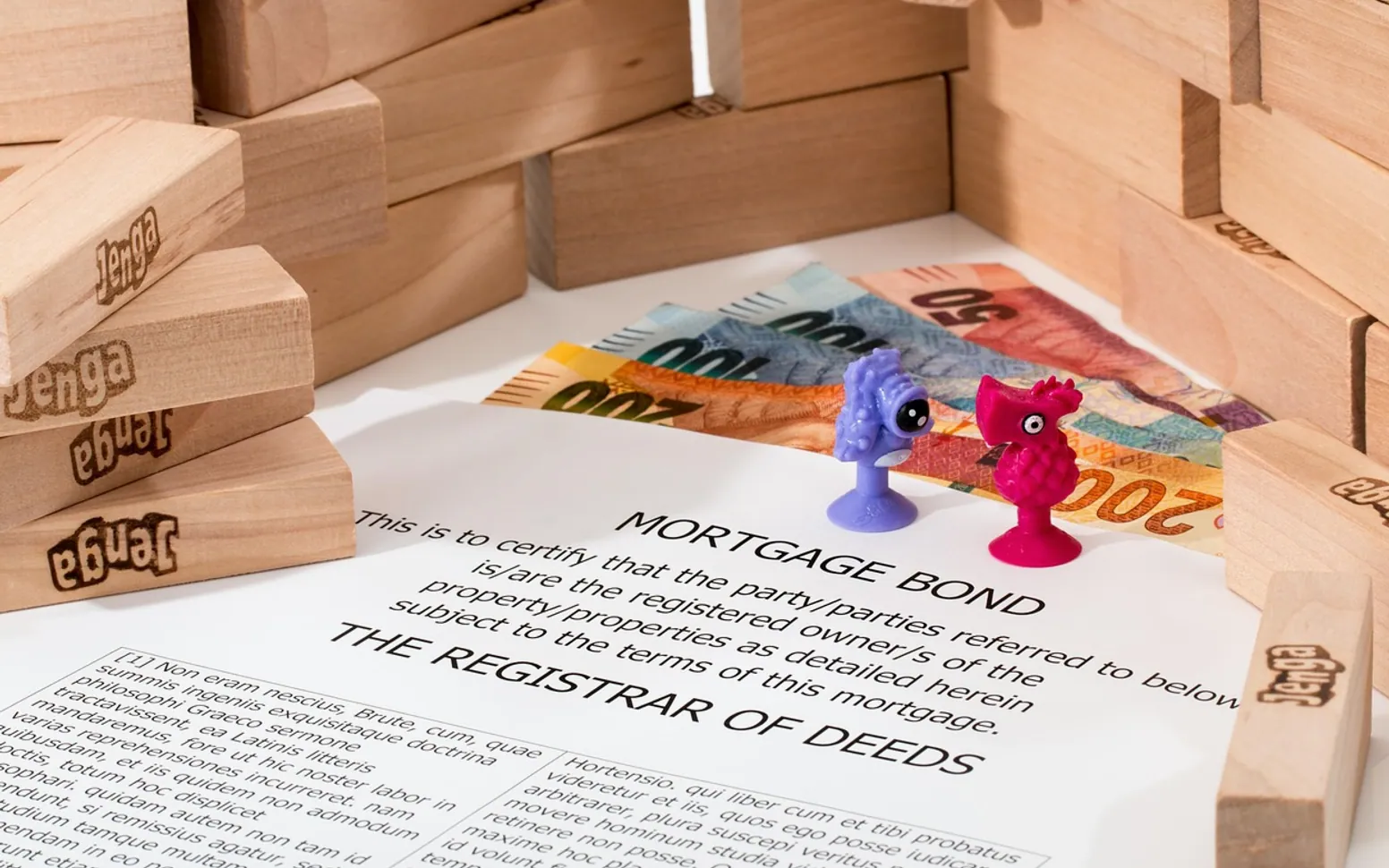
- Additional Buyer's Stamp Duty (ABSD): an extra duty for certain groups such as foreign buyers and people purchasing additional homes, aimed at speculative and investment demand.
- Seller's Stamp Duty (SSD): a charge on homes sold within a set holding period, which discourages quick resale for profit.
- Loan-to-Value (LTV) limits: caps on how much of a purchase can be financed with a loan, which keep borrowing in check.
The rates and thresholds have changed several times over the years, so the current rules should always be confirmed with official sources before any decision.
Openness to global capital
Stability measures sit beside a long-standing welcome for international investment. Schemes such as the Global Investor Programme have been used to attract business owners and investors, and Singapore's reputation for clear laws and dependable institutions draws interest in its commercial and high-end residential segments. The combination of firm rules and openness is part of what makes the market distinctive.
Transport, technology and liveability
Each extension of the MRT network changes how accessible a neighbourhood feels, and homes near new lines often attract fresh attention. The Smart Nation effort adds another layer, with digital public services and smart building features becoming more common in newer projects. For households, these investments show up in everyday terms: shorter commutes, nearby amenities and estates designed around community spaces.
Keeping track of new developments in this environment takes effort, and listing platforms can save time. NewLaunchPortal collects information on new condominium launches across the island, giving buyers a single place to compare locations, layouts and project details before arranging viewings.
Reading the policy mix as a buyer
The takeaway is that Singapore's property market responds to policy as much as to demand. Rules on duties and borrowing can shift, and home prices can drop just as they can climb, so every purchase carries risk. Before committing, it is wise to check your eligibility, model repayments under less comfortable interest rates and get independent advice from someone qualified to review your own circumstances. A clear view of the planning and policy landscape will not guarantee a good outcome, but it does make for better questions and calmer decisions.
What is new in each topic




DrawerHousehold