Bringing 3D Vikings to Life: The Power of Poses and Expressions
How poses and facial expressions make 3D Viking characters believable: modelling workflow, rigging, weight and balance, facial rigs and idle details.
Updated
 2 min read
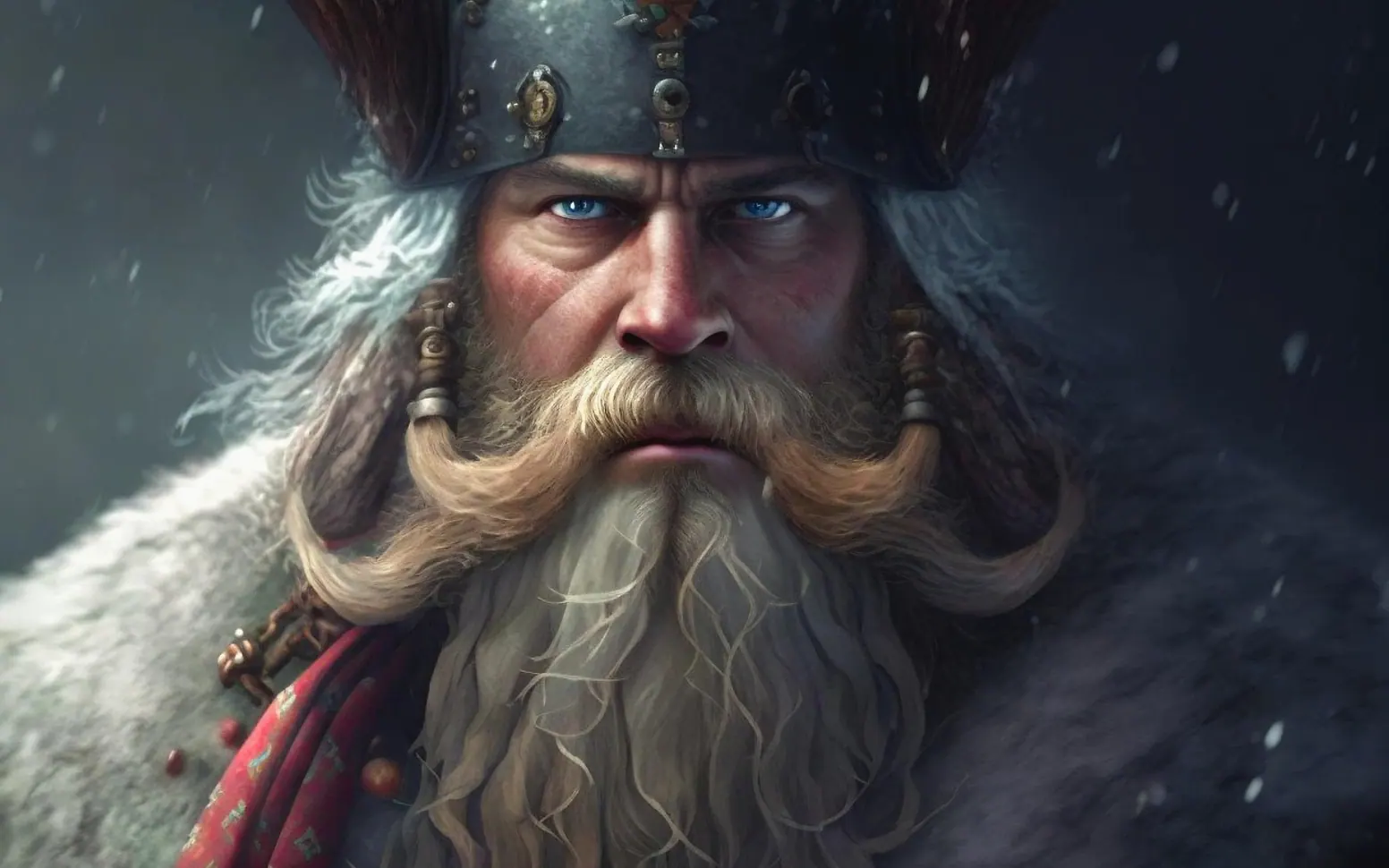
Creating realistic 3D Viking characters is less about flawless chainmail than about how the figure stands, moves and reacts. A warrior can have perfect braids and battle-scarred armour and still look like a shop mannequin if the body and face say nothing. The studios that get this right treat pose and expression as part of the design from the first sketch, not as an afterthought for the animation team.
Building the body right
The work begins with concept art that settles the character's role, age, build and temperament. Sculptors then shape a high-resolution model in tools such as ZBrush, adding braids, scars, fur cloaks and dented armour. Because that sculpt is far too heavy to animate, artists build a cleaner low-poly mesh through retopology, placing edge loops around joints and facial features so they deform naturally. Texturing follows, using painted and procedural maps for weathered skin, rusted iron and worn leather.
Rigging: the hidden skeleton
A rig gives the model bones and controls. Skin weights decide how strongly each bone influences the surrounding mesh, which is why a shoulder can lift without the armour tearing. A good rig includes controls for the spine, hands and individual fingers, plus helpers for props such as axes and shields so they stay attached and move convincingly.
Poses that tell the story
Every strong pose answers one question: what does this warrior intend? A few principles help:
- Line of action: a clear curve through the body lets a stance read instantly, even as a silhouette.
- Weight and balance: the centre of gravity must sit over the supporting foot, or the figure looks as if it will topple.
- Asymmetry: slightly different arm and leg angles feel natural, while mirrored limbs look stiff.
- Props as extensions: a raised shield or lowered axe signals defence, rest or triumph without a word.
Animators study reference footage of people lifting, swinging and bracing, and often act out moves themselves in front of a camera. Idle animations add life between actions: a shift of weight, breath misting in cold air, a hand tightening on a weapon handle.
Faces that carry emotion
Facial rigs use blend shapes, also called morph targets, bones or a mix of both to move brows, eyelids, cheeks and lips. A battle cry pulls the whole face open; suspicion lives in a narrowed eye and a slight tilt of the head. Eye direction and blink timing matter more than many beginners expect. For dialogue scenes, lip-sync tools match mouth shapes to the audio track, and animators then refine the timing by hand so speech feels intentional rather than mechanical.
Consistency across the crew
A longship full of Vikings needs distinct personalities: the veteran moves heavily and economically, the young raider fidgets and overreaches. Short movement notes for each character keep the whole team aligned. Testing poses inside the game engine under final lighting is the last step, because a grimace that reads well in the viewport can disappear under the shadow of a helmet. When body, face and story agree, players stop seeing a model and start seeing a person.
What is new in each topic



DrawerTechnology