Idea Behind Supersmart Phones
The thinking behind simplified smartphones for older and disabled users: clear screens, one-touch help and family support built in from the start.
Updated
 2 min read
 Some of the most useful technology starts with a personal problem. The concept of a "supersmart" phone grew out of exactly that kind of moment: a telecommunications engineer, living in one country while his mother lived in another, watched her struggle with an ordinary handset after a stroke left her with limited mobility. After a fall at home, she could not reach anyone for help. Looking for a phone that would have made that situation easier, he found nothing that fit, and that gap became the starting point for a research project called EziSmart.
Why ordinary smartphones fall short for some users
Modern phones are designed around speed and choice. Dozens of icons, tiny text, swipe gestures and frequent pop-ups suit many people well, yet they can be a real barrier for someone with reduced vision, shaky hands or memory difficulties. For an older person living alone, a phone that is hard to operate at the worst possible moment is more than an inconvenience.
The idea behind a simplified smartphone is not to remove capability but to hide complexity. The device can still use the same networks, sensors and apps as any other phone; it simply presents them in a calmer, more forgiving way.
Design principles that make a phone easier
- Fewer, larger targets. A home screen with a handful of big buttons for calling family, messages and photos is easier to use than a grid of small icons.
- One-touch help. A clearly marked emergency button that calls or alerts a chosen contact can matter when someone cannot dial.
- Readable everything. High-contrast colours, large fonts and spoken feedback support users with weaker eyesight.
- Remote setup. Relatives can add contacts, adjust settings or update the device from a distance, so the user is not left wrestling with menus.
- Sensors that pay attention. Some concepts explore using the phone's motion sensors to notice a possible fall and prompt a check-in.
Keeping families connected across distance
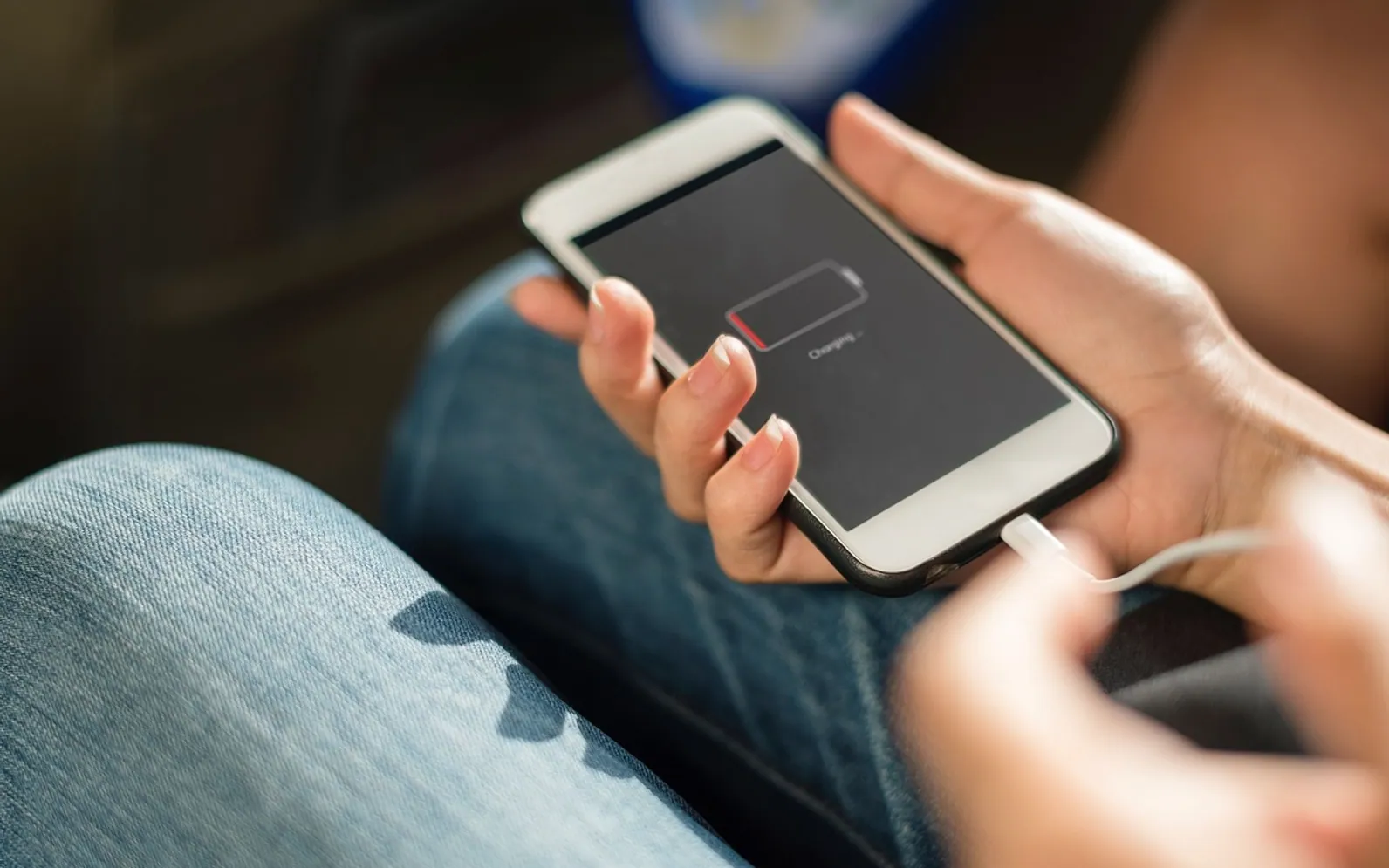
Many families are spread across cities or countries, much like the engineer and his mother. A phone that makes video calls simple, shares photos automatically and lets a relative see that the device is charged and switched on can ease everyday worry on both sides. The point is reassurance and contact rather than surveillance, so these features work best when the user understands and agrees to them.
A helpful tool, not a full safety plan
Simplified phones can support independence, but they are not a substitute for proper care arrangements. For someone with health conditions or a history of falls, it is wise to talk with their doctor or a local care service about suitable alarm systems and support at home. The phone then becomes one piece of a broader support arrangement instead of the sole safeguard.
The lasting idea behind supersmart phones is simple: technology should adapt to the person, not the other way round. Many mainstream handsets now include accessibility modes, simplified launchers and emergency features that owe something to that way of thinking, and they are worth exploring for any family looking after an older relative.
What is new in each topic



DrawerSmartphonesTechnology