Fashion Trends and Wearable Technology
Wearable tech has moved from science fiction into everyday outfits. A look at smart rings, trackers, heated jackets and how to buy gadgets you will wear.
Updated
 2 min read
 Cyberpunk novels of the 1980s imagined characters wired into their clothing, with displays on their wrists and gadgets stitched into their jackets. Plenty of those ideas now sit in ordinary shop windows. A fitness band, a pair of wireless earbuds or a phone-linked ring no longer reads as futuristic; it reads as an accessory, and that shift has pulled designers and engineers into the same room.
From gadget to accessory
Early wearables looked like what they were: small computers strapped to the body. Chunky plastic, blinking lights and one colour option made them easy to spot and easy to dislike. Today the pressure runs the other way. People expect interchangeable straps, metal finishes, slimmer cases and gadgets that pair nicely with a favourite watch. Smart glasses now borrow familiar frame shapes, and some rings hide sensors behind a plain polished band.
The categories worth knowing
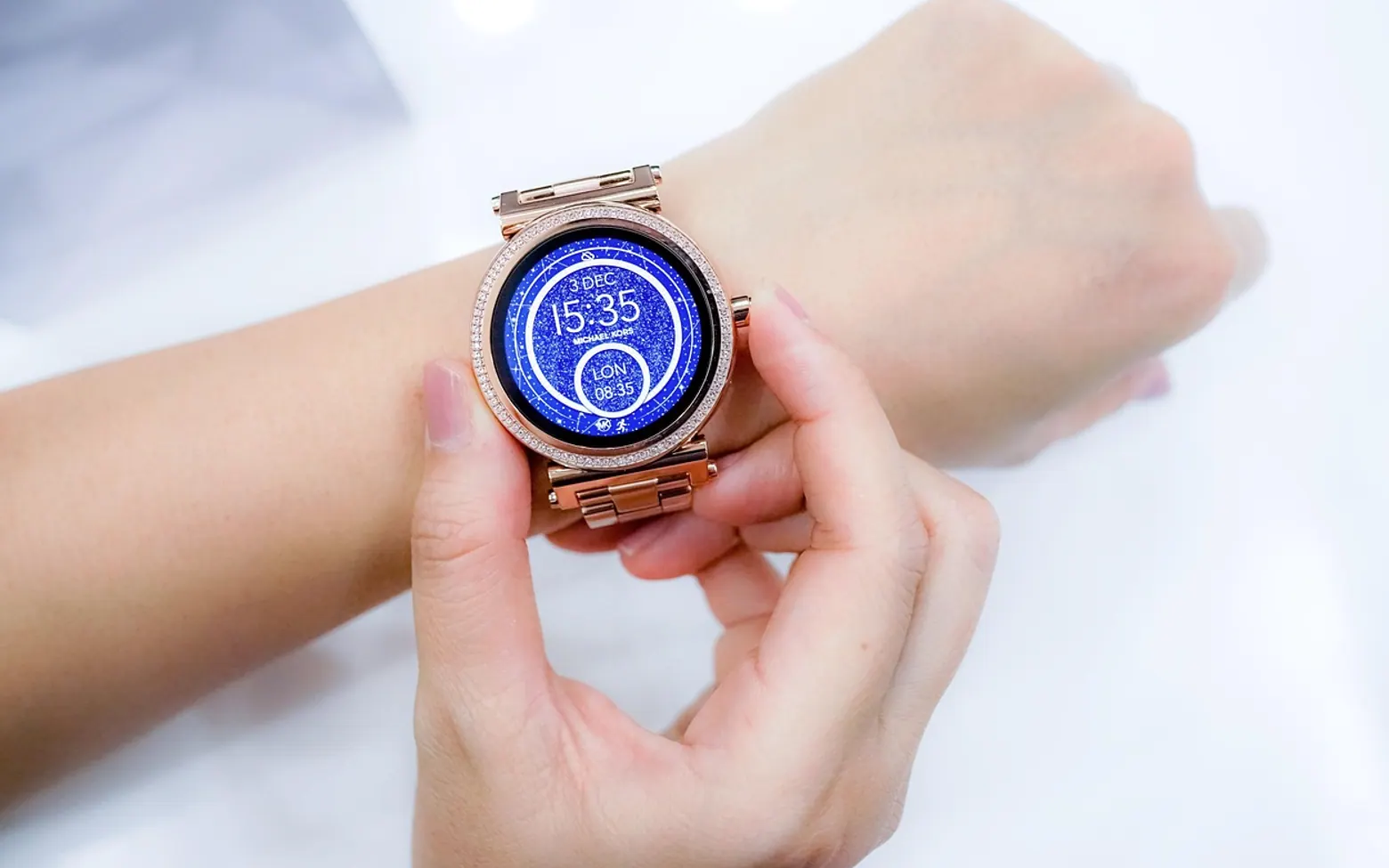
- Wrist devices. Smartwatches and bands track steps, sleep patterns and notifications, and many double as contactless payment tools.
- Audio wear. Earbuds with noise control and voice assistants have quietly become the most worn piece of tech after the phone.
- Action and outdoor gear. Head- or chest-mounted cameras are popular with cyclists, hikers and climbers who want hands-free footage.
- Smart textiles. Heated jackets, garments with built-in reflective or colour-shifting fibres and fabrics that respond to temperature are moving from runway experiments toward retail.
- Family and safety devices. Child-focused watches with location sharing and calling are now a common back-to-school purchase.
Some wearables also support health monitoring, such as continuous glucose sensors used by people with diabetes. These are medical tools first, and decisions about them belong with a doctor rather than with a fashion trend.
Why younger buyers drive the trend
Children and teenagers grow up treating connected objects as normal. A gaming wristband, a watch that unlocks a tablet or headphones that change colour with the music do not seem odd to them; they seem like clothes that happen to do something. That comfort shapes demand. Brands that ignore style lose this audience quickly, while those that let users personalise faces, bands and lighting tend to keep it.
Buying wearables you will keep wearing
Many gadgets end up in a drawer after a few weeks. A short checklist helps avoid that:
- Decide what problem the device solves, whether that is fewer phone checks, better training logs or easier payments.
- Check battery life against your routine; a device that needs charging every night may not suit a busy week.
- Read the privacy settings before pairing, since location and activity data are personal.
- Try the fit and weight in person when possible, especially for rings and glasses.
- Confirm the device works with the phone you already own.
The most successful pieces are the ones people forget they are wearing. When technology disappears into a well-cut sleeve or a neat wristband, it sheds the novelty label and simply joins the wardrobe, which is probably the outcome those early science-fiction writers would have recognised.
What is new in each topic



DrawerComputerTechnology