Decoding Brake Warning Signs: When to Seek Professional Help
Learn the sounds, sensations, smells and dashboard lights that point to brake trouble, which ones need urgent attention and when to book a professional check.
 2 min read
 Brakes rarely fail without warning. In most cases a car gives plenty of hints first, through noises, vibrations, odd smells or a light on the dashboard. The trouble is that these hints are easy to dismiss on a busy morning. Learning to read them turns a vague worry into a clear decision about what to do next.
Listen: what your brakes are telling you
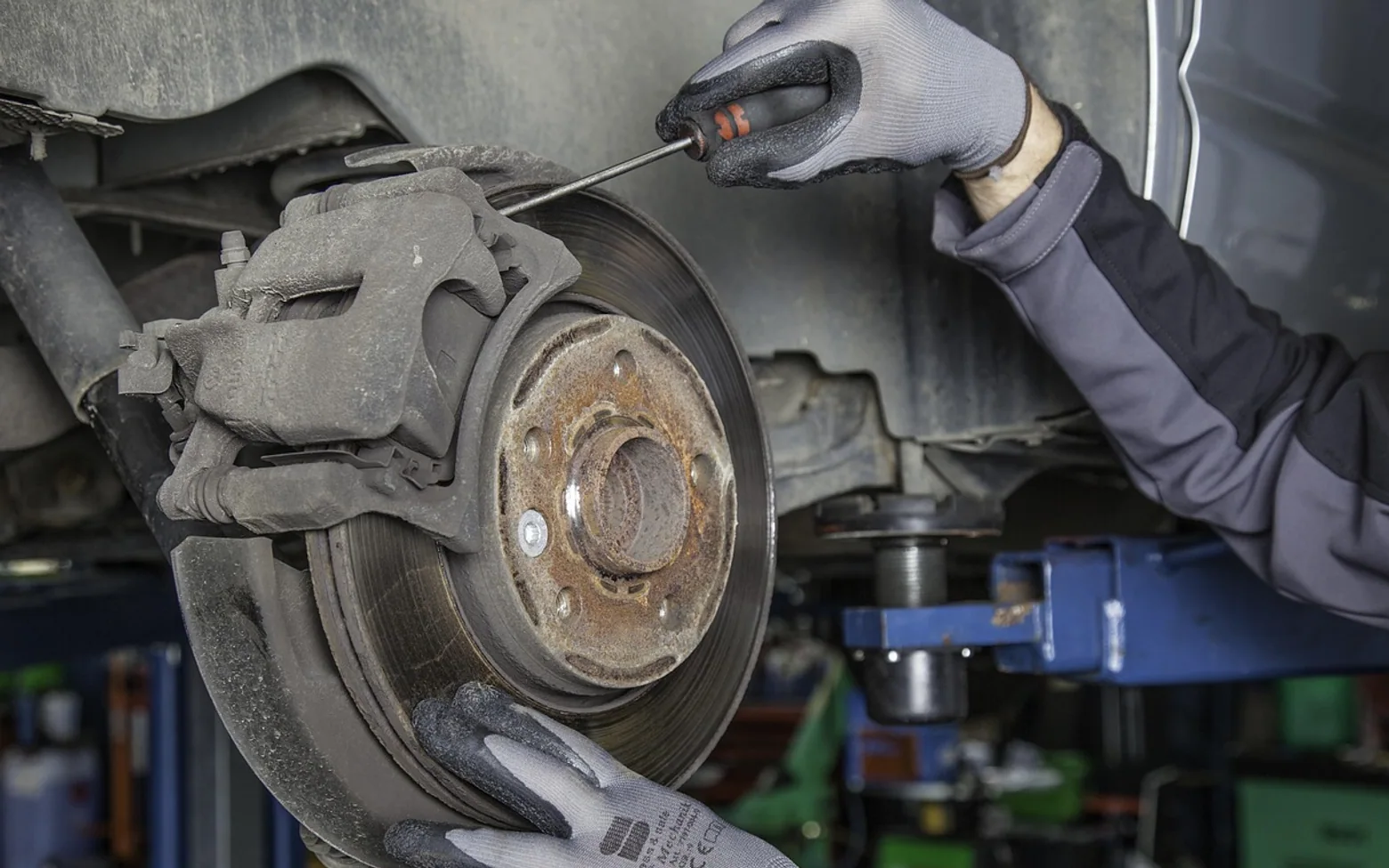
A high-pitched squeal when you press the pedal often comes from wear indicators, small metal tabs built into many pads to announce that they are getting thin. A harsh grinding sound is more serious; it can mean the pad material is gone and metal is scraping against the disc. Clicking or knocking may point to loose hardware. Any new noise that appears only when braking deserves attention.
Feel and see: the physical clues
| Symptom | Possible cause | How soon to act |
|---|---|---|
| Pedal feels soft or spongy | Air or moisture in the fluid, or a leak | Immediately |
| Pedal sinks towards the floor | Loss of hydraulic pressure | Stop driving and get help |
| Steering wheel shakes when braking | Uneven or warped discs | Soon |
| Car pulls to one side | Sticking caliper or uneven wear | Soon |
| Fluid spots near a wheel | Possible brake fluid leak | Immediately |
| Burning smell after normal driving | Dragging brake or overheating | Promptly |
Brake fluid is usually clear to light brown and feels slippery, which helps distinguish it from water dripping off the air conditioning.
Warning lights are not decoration
Modern cars use a red brake symbol to flag low fluid or a hydraulic problem, and many also check whether the parking brake is still on. A separate ABS light signals an issue with the anti-lock system. The owner's manual explains exactly what each symbol means for your model, and it is worth a quick read before you ever need it.
When to hand it over to a professional
Pads, discs, fluid and calipers all work together, and a fault in one often shows up as a symptom somewhere else. That is why diagnosis is best left to trained technicians with the right tools. Booking an auto brake service as soon as one of these signs appears gives a workshop the chance to inspect the whole system, measure wear accurately and replace only what is needed. Catching problems early also tends to keep repairs simpler.
- If the pedal sinks or the red warning light stays on, avoid driving and arrange a tow.
- Note when the symptom happens: cold starts, high speed, downhill or every stop.
- Mention any recent work, such as new tyres or a previous brake job.
Keeping brakes healthy between visits
Gentle anticipation on the road, rather than late, hard stops, reduces heat and wear. Follow the manufacturer's schedule for fluid changes, ask for a brake inspection during routine servicing, and pay attention when the car simply feels different. Brakes are the one system you cannot afford to second-guess, so a timely check is always the sensible choice.
What is new in each topic




DrawerCarsTips & Advice